
Last Updated on October 6, 2026 by Melanie Haynes
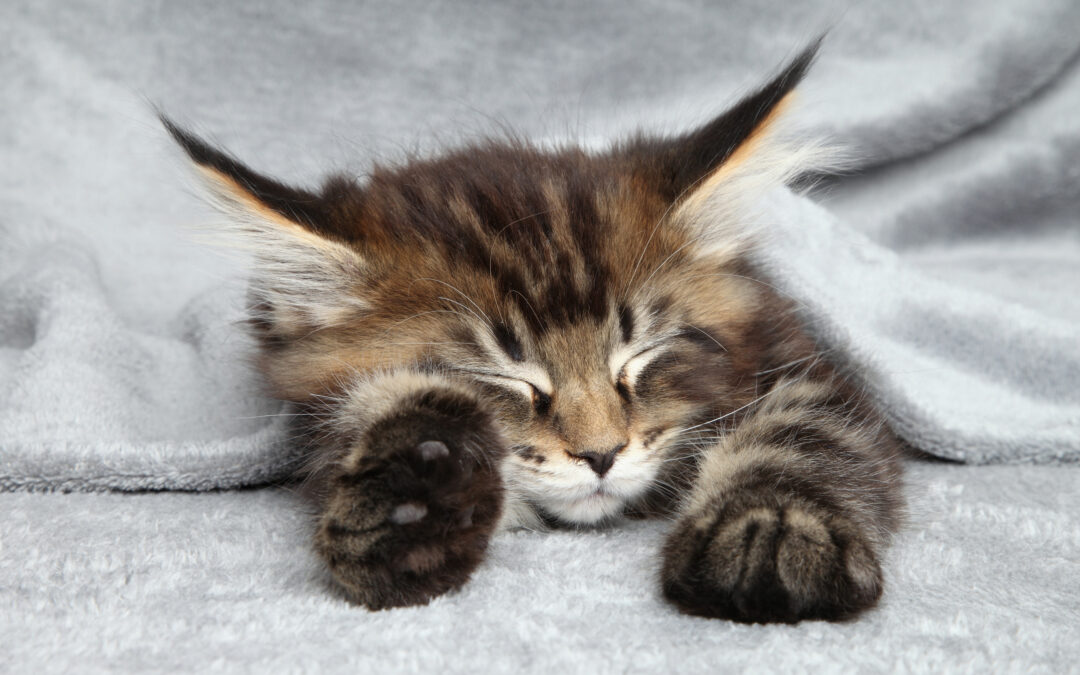
Are you searching for a unique furry companion? Meet the Maine Coon, often called the gentle giant of the cat world. Known for their impressive size and regal looks, Maine Coons have a charm that stands out, even to people who usually aren’t cat fans.
One look at a Maine Coon and you might fall in love. These big, friendly cats are known for their size and fluffy manes. While they look a bit wild, they are actually great with families, social, playful, and very affectionate.
Maine Coons started out as ship cats and have become one of the most popular breeds in the United States today. At Space Coast Pet Services, we love sharing information about different breeds and all things pets. Keep reading to find out more about the Maine Coon.
History of the Maine Coon Cat Breed
There are some popular myths, theories, and legends regarding how the Maine Coon came onto the domestic cat scene. One of them is that Maine Coon cats are descendants of six long-haired cats that belonged to Marie Antoinette and were sent to Maine during her planned escape from France during the French Revolution.
Legend has it that a ship Captain named Samuel Clough helped the Queen smuggle her pet cats out of France, and before he could leave with Marie Antoinette, violence erupted, and the Queen was beheaded. Captain Clough made a hasty retreat to avoid his own execution, and the six long-haired cats were still aboard his ship with him.
There is also an amusing myth that the feral cats of New England bred with raccoons to create the Maine Coon, which, of course, is genetically impossible. The first Maine Coons may have had a similar appearance to raccoons, considering their unusually thick, shaggy coat. Compared to the typical tabby cat, these fine felines resemble wild cats due to their dense coats and larger size.
According to the University of New Mexico, “Most breeders today believe that the breed originated in matings between preexisting shorthaired domestic cats and overseas longhairs (perhaps Angora types introduced by New England seamen, or longhairs brought to America by the Vikings.” Most notably, the Maine Coon’s origins point to its adaptation to the harsh New England climate.
Since the true origin of the Maine Coon cat is unclear, it is widely accepted that it originated in New England and arrived in the United States with European sailors and ship captains. They were renowned for their abilities as skilled “mousers.” By the 1860s, the Maine Coon had an impressive resume. They were beloved as farm cats, family pets, and domestic “mousers.”
As cat shows became popular, people took notice of these majestic-looking kitties. In 1895, a brown female tabby Maine Coon named Cosie, who competed in a cat show held at New York City’s Madison Square Garden, won “Best in Show.” By the 1950s, there was a rapid decline in the Maine Coon breed, but it was not until 1973 that the Maine Coon Cat Club was created to preserve the breed and protect it from extinction. In 1976, the Cat Fanciers’ Association granted the Maine Coon official championship status. The Maine Coon Cat Club played an integral role in making this happen for these adorable “gentle giants.” In 1979, the International Cat Association was established, and the Maine Coon was accepted as a breed from the very beginning. In 1985, the Maine Coon cat was appointed the official state cat of Maine.
Another interesting tidbit about the Maine Coon is that, historically, it was common for them to have extra toes. Around 40 percent of the early Maine Coons from New England were polydactyl cats. Polydactyl cats have a genetic mutation that results in more than the usual 18 toes (five on each front paw, four on each back paw). Polydactyl cats often have 19 or more toes. When cats are polydactyl, they look like they are wearing mittens. Since the Maine Coon originated in cold, frosty Maine, many people joke that these cats need those extra digits to use their paws as “snowshoes” during the harsh Maine winters. Ship captains and sailors would often comment that polydactyl Maine Coons had better balance on the boat and exceptional mouser skills.
How the Maine Coon Cat Looks
The Maine Coon is one of the largest cat breeds, with typical weights ranging from 10 to 25 pounds, with males significantly larger than females. The male Maine Coon tends to weigh 13 to 25 pounds, while the females weigh 8 to 18 pounds. These big, furry babies often grow until they are 3 to 5 years old, while most other domestic cats usually take only about a year to fully mature.
The Maine Coon comes in over 75 color combinations! Mackerel tabby is the most prevalent color. Almost all colors and patterns are accepted by the distinguished feline registries, such as the Cat Fanciers’ Association and the International Cat Association. Some examples of common Maine Coon colors and patterns:
- Blue
- White
- Black
- Torbie
- Calico
- Mackerel
- Red Tabby
- Brown Tabby
- Tortoiseshell
- Black-Silver Tabby
- Smoke and Shaded
- Red and White Tabby
- Black Silver Ticked Tabby
Again, while most colors are accepted, some are disqualified. For example, pointed colors, such as Siamese-style markings, chocolate, fawn, cinnamon, and lavender, are not accepted by the above organizations because they are considered evidence of non-purebred crossbreeding. Golden and solid shades are also rare and unrecognized.
The eye color of the Maine Coon can range from shades of green to gold to copper. In addition to their impressive size, these cats also have very large paws. It is no wonder that, back in the day, they were often employed as mousers. The Maine Coon also has a thick, shaggy double coat ideal for harsh climates. Their long, silky coats, accompanied by a fluffy, plume-like tail, are strikingly beautiful and part of their iconic charm.
Maine Coon Temperament
Maine Coons are not called “gentle giants” for nothing. While their larger size can sometimes be intimidating, these cats are good-natured, playful, and kind, and tend to possess very stable personalities. These fluffy creatures are also laid-back and chill. The Maine Coon is also known for their dog-like disposition and affectionate nature.
Unlike most domestic cats, the Maine Coon is often enamored with water. These furry felines like to play in water, curiously dipping their paws into their water bowls for their own amusement. They may also join their pet parents in the bath or shower. Due to their water-resistant double coat and their roots as ship cats, they tend to tolerate water better than many other cat breeds.
The Maine Coon can also be a “chatty Cathy.” They often communicate with expressive trills, bird-like chirps, and sweet, soft meows. These cats are also highly intelligent and playful, and are usually eager to learn. It is relatively easy for cat parents to teach their Maine Coon tricks. Considered the ideal family pet, the Maine Coon thrives in the company of their humans.
While the Maine Coon likes to be active and social, they are also happy to cuddle with their loved ones. They develop special bonds with their families and are extremely loyal to them. Energetic, fun, and playful, the Maine Coon is usually good with children. These cats also typically get along famously with other pets in the household as long as they are properly introduced.
Grooming Your Maine Coon Cat
Grooming a Maine Coon takes some effort. Their long, thick fur needs regular care to stay soft and clean. With the right tools, you can keep their coat looking great. Here are some supplies you’ll need:
- A slicker brush is the ideal tool to remove loose hair
- Cat-friendly shampoo is good for cleanliness and to keep fur silky smooth
- A stainless steel wide-tooth comb is helpful for gently brushing out knots and tangles
- A de-matting tool should be used gently to work through the smaller tangles before they become unmanageable
You should groom your Maine Coon two to three times a week to keep their fur from getting tangled and painful. Big knots can trap dirt and bacteria, which isn’t healthy and can make their coat look worse.
Consistent grooming helps prevent uncleanliness and discomfort.
It’s best to start grooming your Maine Coon when it’s a kitten. Offering treats can help them enjoy grooming and make it a positive experience.
Grooming is also a great way to bond with your cat. It helps them relax and can even release oxytocin, known as “the love hormone,” which supports relaxation and bonding for both of you.
According to The Open University, “Both humans and our mammalian pets release the love hormone, oxytocin, which helps us to feel happiness and trust, and be more relaxed in each other’s presence!” So, brush, pet, and cuddle with your fur baby as much as you want. It is good for your physical and mental health.
Maine Coon Health Issues
Maine Coons are usually healthy, but their size and genetics can lead to some health problems. With good care, they often live 12 to 15 years. Regular vet visits are important to keep them healthy. Here are some common issues to watch for:
- Because Maine Coons are big cats, they can be prone to obesity, which may lead to diabetes or joint problems. Keeping them active helps prevent weight gain.
- Hip dysplasia is a genetic condition in which the hip joint does not fit together correctly, damaging cartilage and causing painful arthritis.
- Urinary tract issues, such as urinary tract infections or bladder stones, can plague the Maine Coon. Provide them with plenty of fresh, cool water to maintain hydration. Keep an eye on the litter for clues.
- Hypertrophic cardiomyopathy can occur in the Maine Coon. It is a condition in which the heart’s muscular walls become abnormally thick, making it work harder and less effectively, which can lead to heart failure.
- Spinal muscular atrophy affects the spinal cord and nervous system, destroying motor neurons and leading to abnormal or wobbly walking.
- Polycystic kidney disease is a condition in which cysts develop in the kidneys, which can lead to kidney failure over time.
- Gastrointestinal issues: Some Maine Coon cats may have issues such as inflammatory bowel disease or food allergies
- Dental disease is common in some Maine Coons, as they can develop severe oral health issues, such as gingivitis, periodontitis, and feline stomatitis.
Feline stomatitis is an extreme immune-mediated reaction to plaque and tartar, causing painful inflammation and ulceration in the mouth. Many cats with stomatitis tend to stop eating. Their propensity to develop these dental diseases is why it is so important to practice good dental hygiene and brush your Maine Coon’s teeth regularly.
You also should keep an eye out for signs of dental disease, such as “red, swollen, bleeding gums, difficulty chewing, loose or missing teeth,” and/or an accumulation of brown or yellow tartar or hardened plaque caused by bacteria. If left untreated, these bacteria can enter the bloodstream and travel to vital organs, such as the heart or kidneys, potentially leading to organ failure.
Why the Maine Coon Is the Ideal Family Cat
The Maine Coon is a gentle giant, celebrated for their famously social and kid-friendly temperament. They embody a social, dog-like personality, and they are endlessly patient and calm. Maine Coons are playful, fun, and engaging companions. These cats are also known for showing warm, loving affection and for forming strong bonds with their families.
Maine Coons are friendly and love to ‘talk’ with their people. They’re smart and have a long history as skilled hunters. First bred in New England, they’ve been popular family pets for over a century. If you want a loving cat, the Maine Coon is a great choice.
At Space Coast Pet Services, we offer reliable and professional pet care. If you need a cat-sitter, you can book with our top-rated Viera team. Just visit our booking page and choose the Drop-In Home Visit for quality cat care.
We tailor each visit to your pet’s needs, providing food, water, and litter box care. If your cat enjoys attention, we’ll make sure they get plenty of love and cuddles. Caring for your pet is our pleasure, not just our job.

As an Amazon Associate, I earn from qualifying purchases. This small amount allows me to bring you helpful resources that I use or researched and recommend.
- Pet-Friendly Halloween Events in Viera and Brevard County (2026) - October 6, 2026
- Whippet Dog Breed Guide: History, Exercise and Health - September 14, 2026
- Donating a Pacemaker to a Dog in Need: How Pet Lovers in Viera, Florida Can Make a Lasting Impact - August 17, 2026

Recent Comments