

Last Updated on July 3, 2026 by Melanie Haynes
Understanding hairballs in cats is crucial for maintaining a healthy pet. Knowing their causes can help prevent them in the future.
Every cat owner knows that sound. Your cat starts heaving, and you start running, yelling, “Not on the carpet!” And if you’ve ever stumbled down the hall half-awake and felt something wet squish between your toes, you already know exactly what I’m talking about: hairballs.
If you’ve been wondering what cat hairballs actually are, when they become a health concern, and what you can do to reduce them, you’re in the right place. Let’s break it all down.
What Exactly Are Hairballs in Cats?
Hairballs, known scientifically as trichobezoars, form when loose hair accumulates in your cat’s stomach after grooming. Cats are meticulous self-groomers, and their tongues are lined with tiny, backward-facing hooks called papillae. These hooks are fantastic at removing dead fur, but they also send a lot of it straight down the hatch. Most of the time, that hair passes through the digestive system without a hitch. When it doesn’t, it clumps together in the stomach and eventually gets expelled as a hairball.
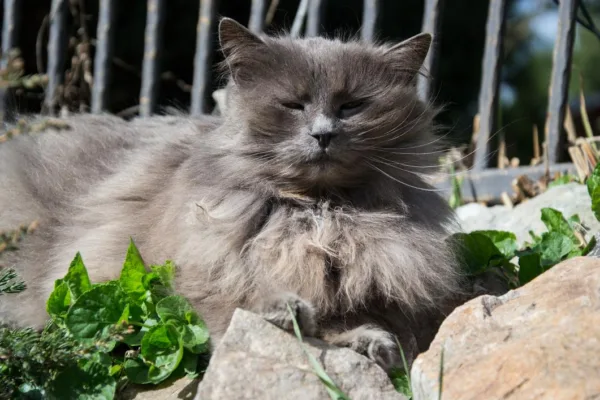
According to the Cornell Feline Health Center, hairballs are especially common in cats that are heavy groomers or who shed a lot. Long-haired breeds like Maine Coons, Persians, and Himalayans are particularly prone to them. Older cats also tend to produce more hairballs than kittens, simply because they’ve become more thorough groomers over time.
It’s essential to monitor your cat’s grooming habits, as excessive grooming can lead to more hairballs in cats. The occasional hairball is completely normal. But they shouldn’t be happening every day, and there are things you can do to make them far less frequent.
Regular checks can prevent hairballs in cats from becoming a frequent issue.
When Are Hairballs a Problem?
Most cats cough up a hairball, shake it off, and move right on with their day. That’s pretty typical and nothing to stress about. The situation changes, though, when hairballs start affecting your cat’s quality of life or pointing to something more serious.
Watch for these warning signs and contact your vet if you notice them:
- Your cat is gagging, retching, or hacking repeatedly without producing a hairball
- They have a decreased appetite or have stopped eating altogether
- Their belly looks or feels bloated and hard
- They seem lethargic or unusually low-energy
- They’re straining during bowel movements or have not gone in more than a day
- They’re losing weight without an obvious reason
These can be signs that a hairball has caused a blockage in the digestive tract, which requires veterinary attention. A cat that grooms excessively may also be signaling an underlying issue such as skin irritation, allergies, or a flea infestation. More grooming means more ingested hair, which means more hairballs. If yours is suddenly producing them far more often than usual, a visit to the vet is a smart move.
How to Prevent Hairballs in Cats: 5 Practical Tips
The good news is that hairball prevention is mostly straightforward. Here’s what actually works: prevention. Prevention is key when it comes to minimizing hairballs in cats.
1. Brush Your Cat Regularly
This is the single most effective thing you can do. When you remove loose fur before your cat can swallow it, there’s less hair to cause problems. Daily brushing sessions are ideal, especially for long-haired cats. A wire slicker brush works really well for most coats. If your cat isn’t a fan of traditional brushes, rubber grooming gloves are a great alternative because they just feel like being petted.
Brushing your cat regularly can significantly reduce the occurrence of hairballs in cats.
Beyond hairball prevention, grooming sessions are also a wonderful way to bond with your cat and keep tabs on their overall coat and skin health. For cats who have a lot of fur to manage, a visit to a professional groomer in Brevard County every few months can also help keep shedding under control.
2. Try a Hairball-Control Diet
Several reputable cat food brands offer formulas specifically designed to reduce hairballs. These foods tend to be higher in fiber, which helps move hair through the digestive tract more efficiently, and often contain nutrients that support a healthy coat and reduce excess shedding. Look for options from brands with veterinary-backed formulations.
These dietary changes can help mitigate the production of hairballs in cats over time. You can also look into how diet and lifestyle factors affect hairball frequency to understand the connection between what your cat eats and how often they produce hairballs.
3. Use a Hairball Gel or Lubricant
Hairball gels are a popular and vet-recommended tool. These petroleum- or malt-based lubricants coat the hair in your cat’s stomach, helping it pass through the digestive tract more easily rather than clumping together. They come in tubes, and most cats will happily lick them off your finger or straight from the tube, since they’re usually flavored with something irresistible like tuna or chicken. These products are widely available at pet supply stores and can be used a few times a week as a preventive measure.
Using hairball gels can help manage hairballs in cats and improve their digestive health.
4. Add a Little Oil to Their Food
Incorporating oil into your cat’s diet can also help reduce hairballs.
Adding a small amount of fish oil or olive oil to your cat’s meal a few times a week can help hair move through the digestive system more smoothly. As a bonus, both oils support skin and coat health, which means less shedding overall. Just keep the amount small, about half a teaspoon or less, since too much fat can upset your cat’s stomach.
5. Keep Up with Vet Checkups
If your cat’s hairball frequency has increased suddenly, it’s worth mentioning to your vet. A spike in hairballs often has an underlying cause, whether it’s seasonal shedding, a skin condition, fleas or other pests, or even stress-related over-grooming. Your vet can help identify what’s going on and recommend the right approach. Routine checkups are always worth it for keeping your cat healthy from the inside out.
Discussing hairballs in cats with your vet can lead to effective management strategies.
Keeping Your Cat Happy and Healthy in Viera
Hairballs are one of the less glamorous parts of cat parenting, but with consistent grooming, the right diet, and a little preventive care, you can absolutely reduce how often your cat deals with them. Your kitty will be more comfortable, and you’ll find far fewer unpleasant surprises waiting for you in the morning.
Regular maintenance can greatly lessen the frequency of hairballs in cats. If you’re heading out of town and want peace of mind knowing your cat is being well cared for, including regular brushing and attentive daily check-ins, our Viera cat sitting services are here to help. We take care of your pets the way you would, so you never have to worry while you’re away.
We ensure your cat is comfortable and free from hairball-related distress while you’re away.
Want more tips on keeping your cat comfortable in Brevard County’s climate? Check out our post on year-round pet allergies in Viera for more helpful guidance tailored to local pet parents.

As an Amazon Associate, I earn from qualifying purchases. This small amount allows me to bring you helpful resources that I use or researched and recommend.
- How to Prepare Your Pet for Fireworks: A Holiday Safety Checklist - June 22, 2026
- Spotlight On: Havanese - May 13, 2026
- Petscaping in Brevard County: Creating a Pet-Friendly Florida Yard - March 2, 2026



Recent Comments